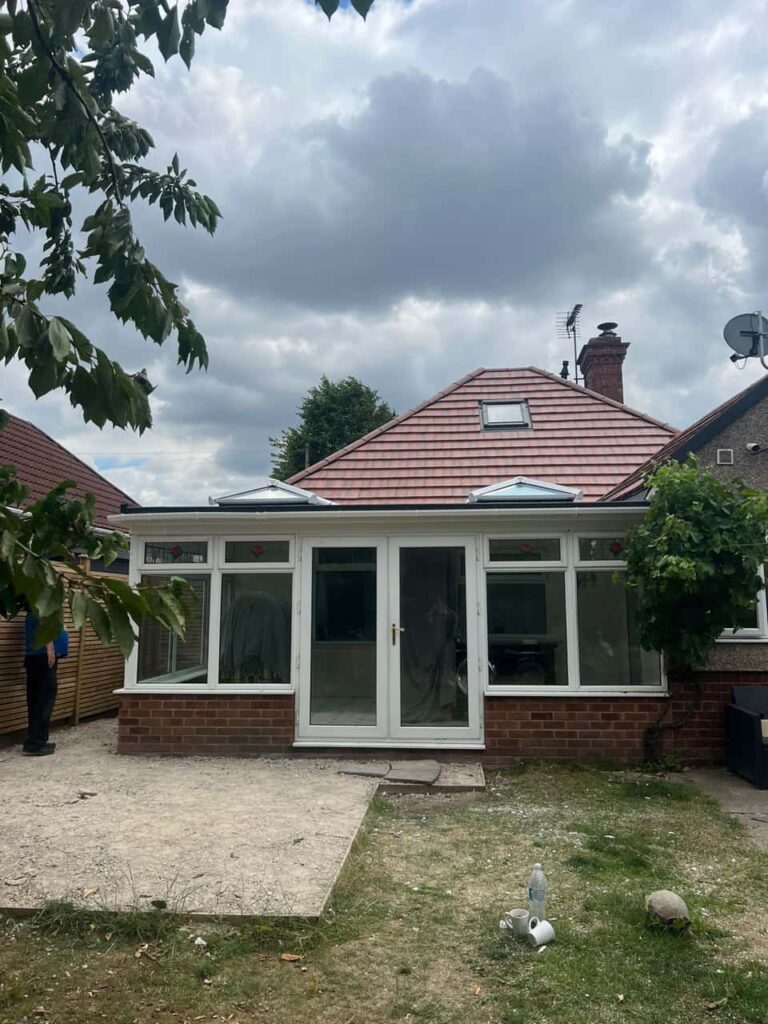
Felt roofing remains one of the most widely used solutions for flat and low-pitched roofs across the UK. Commonly found on extensions, garages and outbuildings, it offers a practical and dependable waterproof covering when installed correctly. However, many homeowners are unsure how felt roofing works, how long it lasts and when it may need attention.
For property owners in Hucknall, Nottingham, understanding felt roofing helps you make informed decisions about maintenance, repairs and potential replacement.
What Is Felt Roofing?
Felt roofing typically consists of layers of bitumen-based membrane reinforced with fibres for added strength. These layers are applied in sections and bonded together to form a continuous, waterproof surface.
Modern felt systems often include:
- A base layer for stability
- One or more reinforcing layers
- A durable top layer designed to resist weathering
When installed professionally, this layered system provides reliable protection against rain and moisture.
Where Is Felt Roofing Commonly Used?
Felt roofing is most often chosen for:
- Flat roof extensions
- Garage roofs
- Porch roofs
- Dormer structures
Its flexibility makes it suitable for areas where traditional tiles or slates are not practical.
In Hucknall, many residential properties incorporate felt roofing as part of their overall roof structure.
Key Advantages of Felt Roofing
When properly installed, felt roofing offers several practical benefits.
Reliable Waterproofing
The primary function of felt roofing is to create a watertight barrier. Overlapping layers and sealed joints help prevent water penetration, protecting the structure beneath.
Adaptability
Felt membranes can be shaped around edges, upstands and roof details with precision. This makes them suitable for complex flat roof layouts.
Efficient Installation
Compared with some alternative systems, felt roofing can often be installed efficiently by experienced professionals, provided preparation and detailing are handled correctly.
Understanding Lifespan and Maintenance
Like all roofing materials, felt roofing has a finite lifespan. Over time, exposure to sunlight and temperature fluctuations can lead to gradual wear.
Signs that felt roofing may require attention include:
- Surface cracking or blistering
- Lifting at edges or joints
- Water staining internally
Routine inspections help identify early issues before they develop into larger concerns.
Why Professional Installation Matters
Flat roofs rely heavily on correct installation to perform effectively. Poor detailing around edges or inadequate bonding can reduce lifespan and increase the risk of leaks.
Working with experienced local specialists such as Hucknall Roofing Repairs ensures that felt roofing systems in Hucknall are installed and maintained to a high standard.
Professional workmanship includes:
- Proper surface preparation
- Secure sealing of seams
- Accurate finishing around roof features
This attention to detail is essential for long-term reliability.
Conclusion
Felt roofing remains a practical and dependable choice for flat and low-pitched roofs when installed correctly. Its layered construction provides effective waterproofing, adaptability and durability for residential properties.
For homeowners in Hucknall, Nottingham, understanding how felt roofing works allows you to recognise when maintenance or replacement may be required. Seeking professional guidance ensures your flat roof continues to protect your property effectively for years to come.
Call us on: 0115 647 1193
Click here to find out more about Hucknall Roofing Repairs
Click here to complete our contact form and see how we can help with your roofing needs.