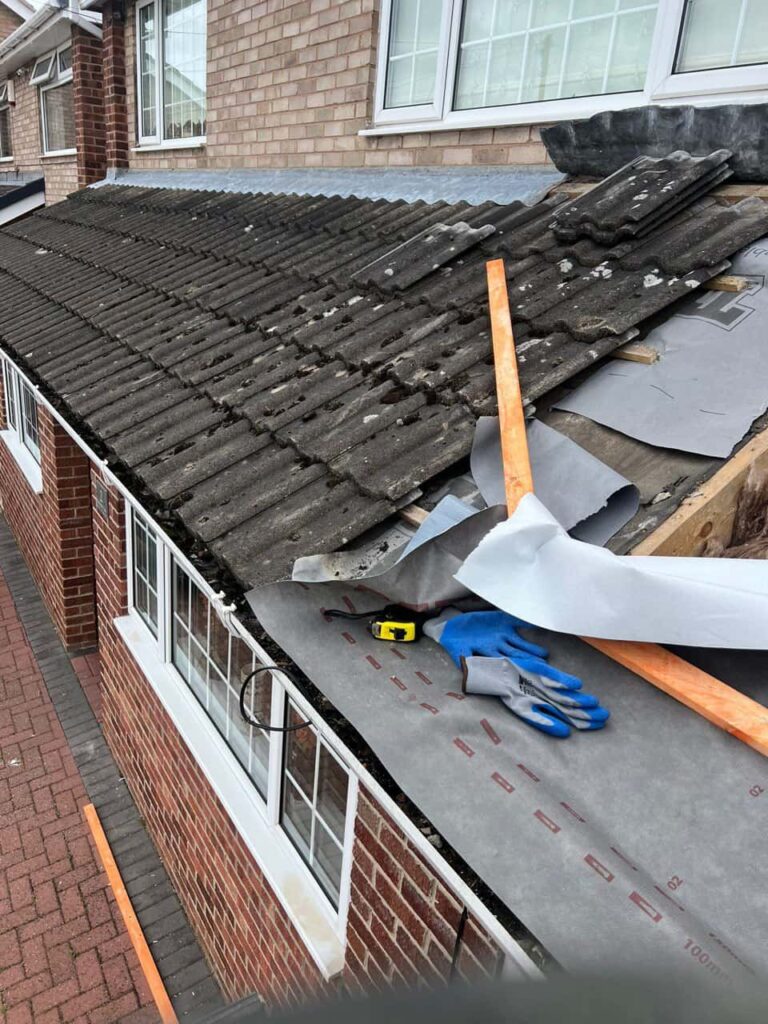
Roof tiles are designed to protect a property from rain, wind and changing weather conditions. However, tiles can occasionally slip out of position, leaving gaps in the roof covering and increasing the risk of water entering the building. Even a single displaced tile can expose vulnerable areas and allow further damage to develop if the problem is not addressed promptly.
For homeowners in Hucknall, Nottingham, recognising the signs of slipped roof tiles can help prevent minor roofing issues from becoming more serious. Hucknall Roofing Repairs provides professional roofing services to identify the cause of displaced tiles and carry out suitable repairs to restore the roof’s protection.
What Causes Roof Tiles to Slip?
Roof tiles may move for several reasons, including deteriorating fixings, weather exposure and problems with the supporting structure. Understanding the cause is essential to ensuring that repairs provide a lasting solution.
1. Strong Winds and Severe Weather
Strong winds can lift or dislodge roof tiles, particularly where fixings have weakened or tiles are already loose. Repeated exposure to changing weather conditions can gradually affect the stability of the roof covering.
After periods of high winds, look for missing tiles, uneven roof lines or fragments of roofing material on the ground. Do not climb onto the roof to investigate, as damaged tiles and wet surfaces can be dangerous.
A professional inspection can establish whether individual tiles need repositioning or replacement and whether nearby tiles have also been affected.
2. Worn or Damaged Tile Fixings
Roof tiles are secured using appropriate fixings or, in some roofing systems, by overlapping and interlocking with adjoining tiles. Over time, nails, clips, battens or other supporting components may deteriorate.
When fixings fail, tiles can gradually move out of alignment, especially along exposed roof sections and ridges. Simply pushing a tile back into place will not resolve the underlying problem if its support has weakened.
A roofer can inspect the affected area, identify failed fixings and secure or replace the relevant components where necessary.
3. Ageing Roof Materials
As a roof ages, individual tiles may become cracked, brittle or worn. Older materials can be more vulnerable to movement when exposed to wind, vibration or repeated changes in temperature.
Damaged tiles may no longer sit securely against adjoining tiles, creating gaps through which rainwater can enter. If several tiles are affected, the issue may indicate more widespread deterioration rather than an isolated defect.
Replacing broken tiles with suitable alternatives can restore the roof covering, while an assessment of the surrounding area helps determine whether additional repairs are needed.
4. Deteriorating Roof Battens
Roof battens provide support for many types of tiled roofing. If the timber deteriorates because of prolonged moisture exposure or age, the fixings may lose their grip and tiles may become unstable.
This can be harder to identify from ground level, particularly when the roof still appears largely intact. Signs such as recurring slipped tiles, uneven sections or persistent leaks may indicate a problem beneath the visible covering.
Where battens have deteriorated, replacing the tiles alone may not be sufficient. The supporting structure may also require attention to provide a secure base for the roof covering.
5. Previous Poor Repairs
Incorrectly fitted replacement tiles, unsuitable fixings or repairs that do not address the original cause can lead to repeated movement. A tile may appear secure initially but become displaced again when exposed to wind and rain.
If the same area repeatedly develops problems, it is important to investigate the underlying cause rather than continually repositioning the tile. A professional roofer can assess the previous repair and recommend a more suitable approach.
Warning Signs of Slipped Roof Tiles
Not every displaced tile is immediately obvious, but several signs can indicate that a roof needs attention:
- Gaps or uneven lines visible across the roof.
- Tiles that appear lower, raised or out of alignment.
- Broken tile fragments around the property.
- Damp patches or water stains on ceilings and upper walls.
- Leaks that become noticeable during or after rainfall.
Water entering through a displaced tile may travel along the roof structure before becoming visible indoors. Therefore, the location of a damp patch does not always correspond directly with the damaged tile.
If you notice any of these signs, arrange a professional assessment before the problem develops further.
How Slipped Roof Tiles Should Be Repaired
The correct repair depends on the condition of the tiles, the type of roof and the reason the movement occurred. Where a tile is intact and its supporting components remain sound, it may be possible to reposition and secure it correctly.
Cracked or broken tiles generally need replacing with compatible materials. If fixings or battens have deteriorated, these components may also need repair or replacement to prevent further movement.
A professional roofer will check the affected section and examine nearby tiles for related damage. This is important because wind or failing fixings may have affected more than the single tile that first attracted attention.
Avoid attempting DIY repairs from a ladder or by walking on the roof. Tiles can break underfoot, and working at height without appropriate equipment presents a serious safety risk.
Why Prompt Roof Tile Repairs Matter
Slipped tiles can leave the roof underlay and supporting materials more exposed to the elements. If rainwater penetrates the roof, it may damage insulation, timber, ceilings and internal finishes. Loose tiles can also become a hazard if they fall from the roof.
Arranging repairs promptly helps restore the protective covering and reduces the chance of further deterioration. It also allows hidden issues, such as damaged battens or weakened fixings, to be identified before they affect a larger area.
Hucknall Roofing Repairs helps property owners in Hucknall, Nottingham, address slipped roof tiles and related roofing defects with repairs suited to the condition of the roof.
Conclusion
Slipped roof tiles can result from strong winds, ageing materials, failed fixings, deteriorating battens or previous repairs that have not resolved the underlying problem. Identifying the cause is essential to restoring the roof properly and reducing the risk of recurring damage.
If you have noticed loose tiles, visible gaps or signs of a roof leak, contact Hucknall Roofing Repairs to discuss your requirements and arrange a professional roof assessment in Hucknall, Nottingham.
Call us on: 0115 647 1193
Click here to find out more about Hucknall Roofing Repairs
Click here to complete our contact form and see how we can help with your roofing needs.