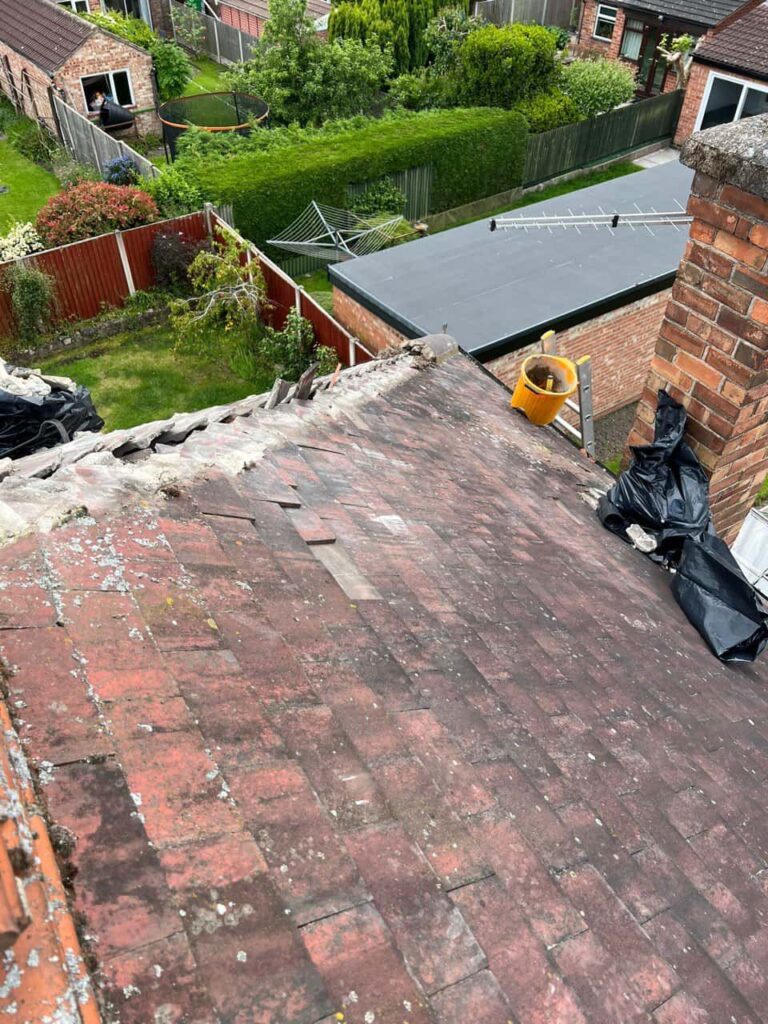
A persistent roof leak can be particularly frustrating because the source is not always obvious. Tiles may appear intact, the main roof covering may seem serviceable, yet damp patches continue to return whenever there is significant rainfall. In many cases, the problem can be traced to one of the roof’s most important weatherproofing details: the lead flashing.
Lead flashing is commonly installed where different parts of a roof or building meet. Its purpose is to prevent rainwater from entering vulnerable junctions that cannot be protected by tiles or slates alone. When flashing becomes damaged, loose or deteriorated, even a relatively small defect can create a route for repeated water ingress.
For homeowners in Hucknall, Nottingham, understanding how flashing problems develop can help explain why certain roof leaks keep returning. Hucknall Roofing Repairs provides professional roof inspections and lead flashing repairs designed to identify the actual source of water ingress and restore effective protection.
What Is Lead Flashing Designed to Do?
A tiled or slated roof is designed to shed rainwater down its surface. However, there are areas where the roof covering meets walls, chimneys or other features, creating junctions that require additional weatherproofing.
Lead flashing is shaped and positioned around these areas to direct water away from vulnerable gaps.
It is frequently found around:
- Chimneys
- Roof-to-wall junctions
- Abutments
- Valleys and channels
- Changes in roof level
- Other roof penetrations and details
When correctly installed and maintained, leadwork provides durable protection. Once it becomes compromised, however, water can begin reaching areas beneath the roof covering.
Why Can a Small Flashing Defect Cause So Much Trouble?
Roof leaks do not require a large opening.
Rainwater can find its way through surprisingly small gaps, particularly during prolonged rainfall or when wind pushes water against exposed roof junctions.
A slight separation between flashing and masonry, for example, may provide enough space for moisture to enter. Once beneath the external covering, water can travel through the roofing system before becoming visible inside the property.
This is why the apparent size of a flashing defect does not necessarily reflect the disruption it can cause.
What Causes Lead Flashing to Become Damaged?
Lead is a durable roofing material, but it is continually exposed to changing outdoor conditions.
Over time, problems can develop because of:
Movement and Temperature Changes
Roofing materials naturally expand and contract as temperatures change. If leadwork has insufficient allowance for movement, repeated stresses can eventually contribute to splitting or distortion.
Weather Exposure
Wind and rain continually affect exposed roof details. Existing weaknesses can gradually become more pronounced.
Deterioration Around Fixing Points
Flashing depends on secure installation. If fixing points or adjoining materials deteriorate, sections may begin lifting or pulling away.
Ageing Surrounding Materials
Sometimes the lead itself remains serviceable while the mortar, masonry or roofing materials surrounding it deteriorate. This can compromise the complete junction and allow water to penetrate.
Previous Repairs
Older repairs around leadwork may eventually require further attention, particularly where they did not address the original cause of the leak.
Why Do Flashing Leaks Often Keep Coming Back?
Persistent leaks commonly occur when the visible symptom has been treated without identifying the actual entry point.
For example, water staining may appear on a ceiling close to a chimney. It may seem reasonable to assume that the roof directly above the stain is leaking, but water can travel beneath tiles, along underlay or around structural components before becoming visible.
As a result, repairing the wrong section may temporarily appear to help without resolving the underlying flashing defect.
Finding the cause is therefore essential before carrying out a lasting roof repair.
Chimney Flashing Is Particularly Important
Chimneys create one of the most complex junctions on many roofs.
Rainwater flowing down the roof must be directed safely around the chimney while the point where masonry meets the roof covering remains sealed against water ingress.
If chimney flashing becomes:
- Loose
- Split
- Lifted
- Distorted
- Separated from the masonry
- Damaged around corners or junctions
water can enter the roofing system.
Because several different flashing details may be used around a chimney, the complete area should be assessed rather than concentrating solely on the most visible section.
Roof-to-Wall Junctions Can Also Become Vulnerable
Where a roof meets a vertical wall, effective flashing is essential.
Water naturally flows towards and around these junctions. If the leadwork is no longer positioned correctly, moisture may find a route behind the roof covering or adjoining materials.
These defects can be difficult to recognise from ground level, making professional inspection particularly useful when unexplained leaks develop near an abutment.
Wind-Driven Rain Can Reveal Flashing Problems
Some flashing defects do not produce leaks every time it rains.
During calm rainfall, water may continue flowing away without reaching the vulnerable opening. When rain is accompanied by strong wind, however, moisture can be driven towards gaps and beneath poorly secured flashing.
This can explain why a property appears watertight during some periods of rainfall but develops a leak during more challenging weather.
The conditions under which a leak appears can therefore provide useful clues when investigating its source.
Water Can Spread Beyond the Flashing Area
Once rainwater passes through damaged flashing, it does not necessarily remain close to the original defect.
Moisture can potentially affect:
- Roofing underlay
- Battens
- Roof timbers
- Insulation
- Internal ceilings
- Surrounding roof materials
Continued water ingress may gradually increase the area affected.
This is why early attention is worthwhile even if the visible internal damp initially appears relatively minor.
Why Temporary Patching May Not Solve the Problem
Applying material over the most obvious gap may appear to be a straightforward solution, but flashing repairs need to consider how the complete detail manages water.
If the lead has split because of movement, simply covering the split may not address that movement. Likewise, sealing one edge may achieve little if another section has lifted or if surrounding masonry has deteriorated.
A dependable repair requires the cause and extent of the defect to be understood first.
Signs Your Lead Flashing May Need Attention
Homeowners may notice several warning signs that justify professional inspection, including:
- Recurring leaks during rainfall
- Damp patches near a chimney or roof junction
- Visible lifting or movement in leadwork
- Cracks or splits in flashing
- Gaps between lead and adjoining masonry
- Deteriorated materials surrounding the flashing
- Previous repair areas beginning to fail
Not every sign means extensive roofing work is required. Localised leadwork repairs can often be effective when the surrounding roof remains in good condition.
Why the Surrounding Roof Should Be Checked Too
A flashing leak should not be considered completely independently from the rest of the roof.
Repeated moisture exposure may have affected neighbouring tiles or materials beneath the covering. Alternatively, what initially appears to be a flashing problem may involve another nearby defect.
A professional assessment can examine the flashing alongside:
- Surrounding tiles or slates
- Chimney details
- Mortar joints
- Roof junctions
- Valleys
- Underlying areas where accessible
- Previous repairs
This broader approach helps ensure that all relevant defects are identified.
Early Lead Flashing Repairs Can Protect a Sound Roof
Damaged flashing does not necessarily mean that the complete roof needs replacing.
If the main roof covering remains serviceable and the deterioration is concentrated around a particular junction, targeted repairs may be sufficient to restore reliable weather protection.
Acting early is valuable because it limits the amount of time surrounding roofing materials are exposed to moisture.
The aim is to preserve the sound parts of the existing roof while repairing the area that is no longer performing correctly.
Professional Diagnosis Makes the Difference
Persistent leaks require investigation rather than guesswork.
Experienced roofers understand how water behaves across different roof designs and can assess likely entry points based on the position of flashing, roof junctions and visible signs of deterioration.
A professional repair should answer two questions:
- Where is the water actually entering?
- Why has that part of the roofing system stopped performing correctly?
Once these questions are answered, the appropriate repair can be carried out with much greater confidence.
Why Choose Hucknall Roofing Repairs?
Hucknall Roofing Repairs provides professional roofing services throughout Hucknall, Nottingham, including roof leak investigation, lead flashing repairs, tile repairs and wider roof maintenance.
Our approach focuses on identifying the underlying cause rather than simply treating the visible symptoms of water ingress. Where damaged flashing is responsible, we assess the affected junction and surrounding roofing materials before determining the appropriate repair.
This helps restore the weather-resistant detail properly while protecting serviceable sections of the existing roof.
Conclusion
Damaged lead flashing can cause persistent roof leaks because it compromises some of the most vulnerable junctions within the roofing system. Small splits, lifted sections, deteriorated adjoining materials or gaps around chimneys and walls can provide routes for rainwater to enter beneath an otherwise sound roof covering.
These leaks can be difficult to diagnose because water may travel before becoming visible inside the property. For that reason, repeatedly treating damp patches or patching the most obvious area may not provide a lasting solution.
For homeowners in Hucknall, Nottingham, Hucknall Roofing Repairs provides professional lead flashing and roof repair services focused on finding the source of the problem and completing the appropriate remedial work. If you have a roof leak that keeps returning, arranging a professional assessment can help establish whether damaged flashing is responsible and restore dependable protection to your roof.
Call us on: 0115 647 1193
Click here to find out more about Hucknall Roofing Repairs
Click here to complete our contact form and see how we can help with your roofing needs.